About These Property Guides
Buying property in New Zealand involves navigating some of the most complex documentation in the world. A Land Information Memorandum (LIM) can run to 80 pages or more, covering everything from flood hazard overlays and building consent histories to geotechnical reports, easements, and district plan rules. Most buyers receive their LIM just days before their conditional period expires - and they have no training to interpret what they are reading.
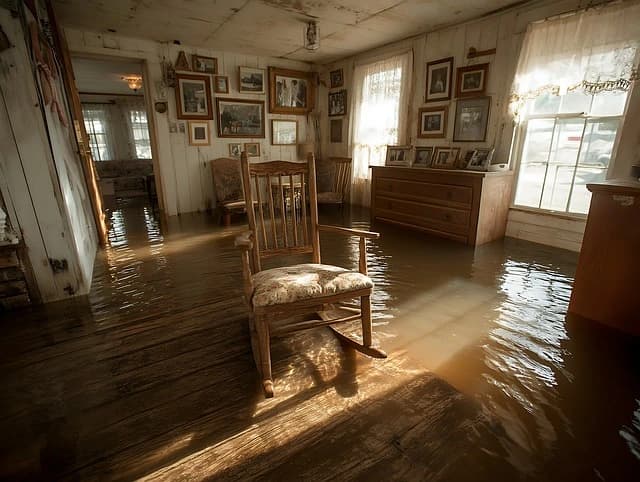
These guides are written for New Zealand property buyers - first home buyers, investors, and downsizers - who want to understand the risks hidden in council documents before they go unconditional. Each guide covers a specific risk category: flood zones and climate hazard overlays, illegal or unconsented building work, retaining wall liability, and the process of reading and interpreting a LIM from start to finish.
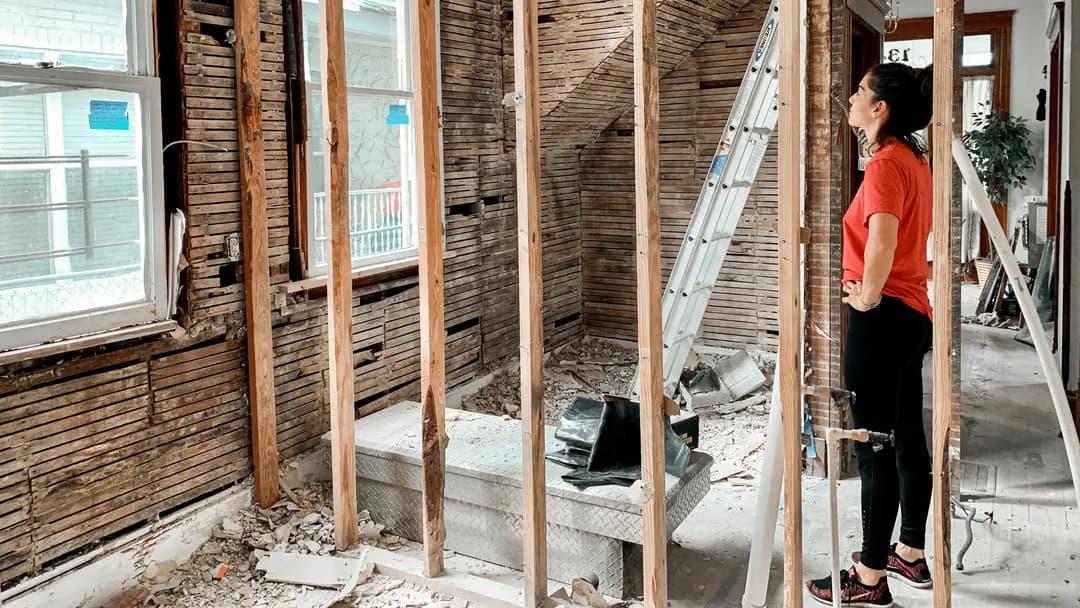
Understanding your LIM is not optional. Under New Zealand property law, the buyer assumes responsibility for the property in its current state once they go unconditional. Issues discovered after settlement - unconsented additions, flood risk that the council recorded but the buyer missed, or retaining walls built without resource consent - can cost tens of thousands of dollars to remediate, and in some cases may make the property uninsurable or unmortgageable.
LIMiQ exists to help buyers navigate this process. Our AI-powered platform analyses LIM documents and surfaces risks, gaps, and red flags that buyers and their agents frequently miss. These guides explain what LIMiQ looks for, how to interpret the results, and when to escalate to a specialist - a lawyer, a licensed building inspector, or a geotechnical engineer. Use them alongside a thorough professional inspection, not as a substitute for one.